Buy viprelax.eu ?
We are moving the project
viprelax.eu .
Are you interested in purchasing the domain
viprelax.eu ?
domain@kv-gmbh.de · 0541-91531010
Buy viprelax.eu ?
What is the deontological perspective?
The deontological perspective is an ethical theory that focuses on the inherent rightness or wrongness of actions themselves, rather than the consequences of those actions. It is based on the idea that certain actions are morally obligatory regardless of their outcomes. Deontologists believe that individuals have a duty to follow certain moral rules or principles, such as honesty or respecting others' autonomy, regardless of the potential benefits or harms that may result. This perspective is often associated with philosophers like Immanuel Kant, who argued that moral principles are universal and apply to all rational beings. **
What is meant by deontological and teleological?
Deontological ethics is an ethical theory that focuses on the inherent rightness or wrongness of actions themselves, rather than the consequences of those actions. It emphasizes the importance of following moral rules and duties, regardless of the outcomes. On the other hand, teleological ethics, also known as consequentialism, is an ethical theory that evaluates the morality of actions based on their outcomes or consequences. It emphasizes the idea that the rightness or wrongness of an action is determined by the overall good or bad results it produces. In summary, deontological ethics focuses on the inherent nature of actions, while teleological ethics focuses on the outcomes of actions. **


Similar search terms for Deontological
Top-Angebote
Products related to Deontological:
-
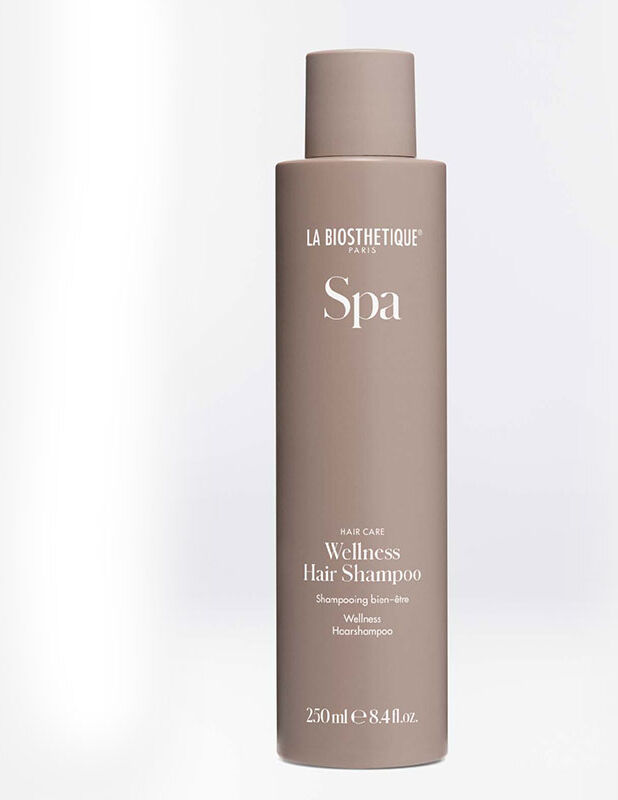
La Biosthetique SPA - Wellness Hair Shampoo 250mlWellness at its best for the hair and scalp! Cleanses the hair gently while respecting the healthy balance of the scalp. Sodium salts of lactic acid and gluconic acid, both components of the skin's natural moisturising factor, prevent the scalp from drying out. Plant based prebiotics such as inulin and glucan oligosaccharides maintain the balance of the scalp environment by specifically supporting the growth of health-promoting bacteria and are proven to reduce harmful bacteria. Undesired often inflammatory skin conditions heal faster and the scalps barrier function is strengthened. The scent composition with green lime, aromatic notes of basil, lemongrass and pink pepper and a sensuous, lingering combination of vanilla and woody cedar provides an ultimate feel good experience. Ingredients: AQUA (WATER), SODIUM LAURETH SULPHATE, COCAMIDOPROPYL BETAINE, PARFUM (FRAGRANCE), POLYGLYCERYL-3 OLEATE, SODIUM LACTATE, ALPHA-GLUCAN OLIGOSACCHARIDE, SODIUM GLUCONATE, LACTIC ACID, INULIN, BETAINE, METHYL GLUCOSE CAPRATE/CAPRYLATE/OLEATE, MARIS SAL (SEA SALT), ACETIC ACID, PROPANEDIOL, SODIUM BENZOATE, BENZOIC ACID, LIMONENE, COUMARIN, CITRAL23,50 £*Shipping: 2,95 £Secure redirect to the provider
-
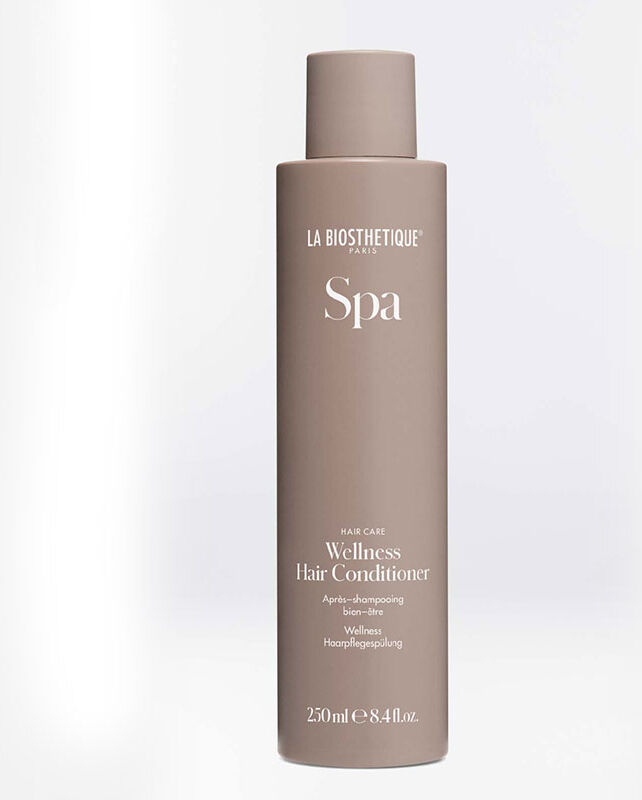
La Biosthetique SPA - Wellness Hair Conditioner 250mlIs your hair stubborn, unruly and almost impossible to comb after washing and becomes flyaway when dried. Then you need a soothing treatment with Wellness Hair Conditioner. In just two minutes the conditioner calms the hair and scalp with a mix of lactic and gluconic acid, both of which are components of the skin's natural moisturising factor. It also combats dryness whilst smoothing the hair structure. This is supported by Cationic conditioning substances which prevent static charge of the hair and improve its compatibility. At the same time, prebiotic plant based active ingredients maintain the healthy balance of the scalp. Irritations are avoided and the scalp maintains its balance whilst making the hair full of elasticity and bounce. The scent of green lime supports this invigorating freshness along with aromatic spicy and sensual woody notes, it accompanies you throughout the day. Ingredients: AQUA (WATER), CETEARYL ALCOHOL, PARFUM (FRAGRANCE), INULIN, ALPHA-GLUCAN OLIGOSACCHARIDE, SODIUM LACTATE, SODIUM GLUCONATE, LACTIC ACID, CETRIMONIUM CHLORIDE, ETHYLHEXYLGLYCERIN, CAPRYLHYDROXAMIC ACID, METHYLPROPANEDIOL, BENZOIC ACID, LIMONENE, COUMARIN, CITRAL23,25 £*Shipping: 2,95 £Secure redirect to the provider
-
StayWell Ionic Foot Detox Machine Ultimate Home Spa Detox & Perfect Wellness Gift Ionic Foot Detox Machine Ultimate Home Spa Detox & Perfect Wellness GiftRevitalize Your Health with the Ionic Foot Spa Detox MachineAre you feeling constantly tired, experiencing fatigue, shortness of breath, or high blood pressure These symptoms might be due to toxins building up in your body. Its time to detoxify and...109,97 $*Shipping: 0,00 $Secure redirect to the provider
-
Sanctuary Spa Wellness body balm with soothing effect 150 mlSanctuary Spa Wellness, 150 ml, Body Creams for Women, The Sanctuary Spa Wellness body cream looks after your skin and gives it the necessary nourishment and long-lasting hydration. Characteristics: soothes the skin and refreshes it does not leave a greasy film on the skin restores skin comfort and vitality How to use: Apply the product to clean skin and massage in gently until completely absorbed. Can also be used for massage.10,50 £*Shipping: 3,99 £Secure redirect to the provider


-
Does Kant's deontological ethics contradict Aristotle's eudaemonistic ethics?
Kant's deontological ethics and Aristotle's eudaemonistic ethics have some fundamental differences, but they do not necessarily contradict each other. Kant's ethics focus on duty and the intention behind actions, while Aristotle's ethics emphasize achieving eudaimonia, or human flourishing, through virtuous actions. While Kant's emphasis on duty can sometimes conflict with Aristotle's emphasis on virtue, both ethical theories ultimately aim to guide individuals towards leading a good and moral life. Therefore, while they may approach ethics from different perspectives, they can be seen as complementary rather than contradictory. **
-
What is the difference between deontological ethics and utilitarianism?
Deontological ethics is an ethical theory that focuses on the inherent rightness or wrongness of actions themselves, regardless of their consequences. It emphasizes the importance of following moral rules and duties, such as telling the truth or keeping promises, regardless of the outcomes. On the other hand, utilitarianism is a consequentialist ethical theory that evaluates the morality of actions based on their outcomes. It prioritizes maximizing overall happiness or well-being for the greatest number of people, often through the calculation of benefits and harms. In summary, deontological ethics emphasizes the inherent morality of actions, while utilitarianism focuses on the consequences of actions. **
-
Does discourse ethics have a teleological or deontological approach?
Discourse ethics is primarily associated with a deontological approach. It focuses on the principles of communication and interaction between individuals, emphasizing the importance of ethical norms and rules in guiding discourse. The goal is to ensure that communication is based on mutual respect, equality, and rationality, rather than aiming towards a specific outcome or goal. By prioritizing the ethical principles of communication, discourse ethics aims to create a fair and just dialogue among participants. **
-
Is deontological ethics exactly the same as the categorical imperative?
Deontological ethics is a broader ethical theory that states that actions are inherently right or wrong, regardless of their consequences. The categorical imperative, on the other hand, is a specific formulation within deontological ethics proposed by Immanuel Kant. While the categorical imperative is a key component of deontological ethics, deontological ethics encompasses a wider range of principles and theories beyond just the categorical imperative. **


What are the differences between deontological ethics and utilitarian ethics?
Deontological ethics, also known as duty-based ethics, focuses on the inherent rightness or wrongness of actions themselves, regardless of their consequences. It emphasizes following moral rules and duties, such as telling the truth or keeping promises, based on principles like the categorical imperative. On the other hand, utilitarian ethics, also known as consequentialist ethics, prioritizes the outcomes or consequences of actions. It aims to maximize overall happiness or well-being for the greatest number of people, often through the calculation of benefits and harms. While deontological ethics emphasizes duty and rules, utilitarian ethics prioritizes the greatest good for the greatest number. **
What is the difference between deontological ethics and utilitarian ethics?
Deontological ethics, also known as duty-based ethics, focuses on the inherent rightness or wrongness of actions themselves, regardless of their consequences. This means that certain actions are considered morally right or wrong based on whether they adhere to a set of rules or principles. On the other hand, utilitarian ethics, also known as consequentialist ethics, evaluates the morality of actions based on their outcomes or consequences. In utilitarianism, the rightness or wrongness of an action is determined by its ability to produce the greatest overall happiness or pleasure for the greatest number of people. **
Top-Angebote
Products related to Deontological:
-
Tommy Bahama Island Retreat Wellness Solid Cotton Towel CollectionUpdate your bathroom with the Island Retreat Towel Collection from Tommy Bahama. With a focus on performance claims, these quality towels feature properties that protect your product from odor.41,60 $*Shipping: 0,00 $Secure redirect to the provider
-
Sanctuary Spa Wellness Christmas gift setSanctuary Spa Wellness, , Air Fresheners for Women, Ho, ho, ho! Christmas is almost upon us and, just like every year, it’s worth starting your Christmas shopping early. This year, we’ve put together luxurious Christmas boxes just for you, full of our best-selling cosmetics and fragrances, which we’ll deliver to you in beautiful christmas gift wrap. You can choose from a wide variety of products and we’ll choose your box design ourselves since Christmas is mainly about nice surprises! The set contains: mist for better sleep 75 ml body balm with soothing effect 75 ml nourishing body butter 50 ml sleep mask 1 pc Characteristics: a set of cosmetic products for everyday use for a comprehensive skin care routine has a pleasant fragrance relaxing effect How to use: Use every product from the cosmetic set according to the instructions.17,77 £*Shipping: 3,99 £Secure redirect to the provider
-
La Biosthetique SPA - Wellness Hair Shampoo 250mlWellness at its best for the hair and scalp! Cleanses the hair gently while respecting the healthy balance of the scalp. Sodium salts of lactic acid and gluconic acid, both components of the skin's natural moisturising factor, prevent the scalp from drying out. Plant based prebiotics such as inulin and glucan oligosaccharides maintain the balance of the scalp environment by specifically supporting the growth of health-promoting bacteria and are proven to reduce harmful bacteria. Undesired often inflammatory skin conditions heal faster and the scalps barrier function is strengthened. The scent composition with green lime, aromatic notes of basil, lemongrass and pink pepper and a sensuous, lingering combination of vanilla and woody cedar provides an ultimate feel good experience. Ingredients: AQUA (WATER), SODIUM LAURETH SULPHATE, COCAMIDOPROPYL BETAINE, PARFUM (FRAGRANCE), POLYGLYCERYL-3 OLEATE, SODIUM LACTATE, ALPHA-GLUCAN OLIGOSACCHARIDE, SODIUM GLUCONATE, LACTIC ACID, INULIN, BETAINE, METHYL GLUCOSE CAPRATE/CAPRYLATE/OLEATE, MARIS SAL (SEA SALT), ACETIC ACID, PROPANEDIOL, SODIUM BENZOATE, BENZOIC ACID, LIMONENE, COUMARIN, CITRAL23,50 £*Shipping: 2,95 £Secure redirect to the provider
-
La Biosthetique SPA - Wellness Hair Conditioner 250mlIs your hair stubborn, unruly and almost impossible to comb after washing and becomes flyaway when dried. Then you need a soothing treatment with Wellness Hair Conditioner. In just two minutes the conditioner calms the hair and scalp with a mix of lactic and gluconic acid, both of which are components of the skin's natural moisturising factor. It also combats dryness whilst smoothing the hair structure. This is supported by Cationic conditioning substances which prevent static charge of the hair and improve its compatibility. At the same time, prebiotic plant based active ingredients maintain the healthy balance of the scalp. Irritations are avoided and the scalp maintains its balance whilst making the hair full of elasticity and bounce. The scent of green lime supports this invigorating freshness along with aromatic spicy and sensual woody notes, it accompanies you throughout the day. Ingredients: AQUA (WATER), CETEARYL ALCOHOL, PARFUM (FRAGRANCE), INULIN, ALPHA-GLUCAN OLIGOSACCHARIDE, SODIUM LACTATE, SODIUM GLUCONATE, LACTIC ACID, CETRIMONIUM CHLORIDE, ETHYLHEXYLGLYCERIN, CAPRYLHYDROXAMIC ACID, METHYLPROPANEDIOL, BENZOIC ACID, LIMONENE, COUMARIN, CITRAL23,25 £*Shipping: 2,95 £Secure redirect to the provider
-
What is the deontological perspective?
The deontological perspective is an ethical theory that focuses on the inherent rightness or wrongness of actions themselves, rather than the consequences of those actions. It is based on the idea that certain actions are morally obligatory regardless of their outcomes. Deontologists believe that individuals have a duty to follow certain moral rules or principles, such as honesty or respecting others' autonomy, regardless of the potential benefits or harms that may result. This perspective is often associated with philosophers like Immanuel Kant, who argued that moral principles are universal and apply to all rational beings. **
-
What is meant by deontological and teleological?
Deontological ethics is an ethical theory that focuses on the inherent rightness or wrongness of actions themselves, rather than the consequences of those actions. It emphasizes the importance of following moral rules and duties, regardless of the outcomes. On the other hand, teleological ethics, also known as consequentialism, is an ethical theory that evaluates the morality of actions based on their outcomes or consequences. It emphasizes the idea that the rightness or wrongness of an action is determined by the overall good or bad results it produces. In summary, deontological ethics focuses on the inherent nature of actions, while teleological ethics focuses on the outcomes of actions. **
-
Does Kant's deontological ethics contradict Aristotle's eudaemonistic ethics?
Kant's deontological ethics and Aristotle's eudaemonistic ethics have some fundamental differences, but they do not necessarily contradict each other. Kant's ethics focus on duty and the intention behind actions, while Aristotle's ethics emphasize achieving eudaimonia, or human flourishing, through virtuous actions. While Kant's emphasis on duty can sometimes conflict with Aristotle's emphasis on virtue, both ethical theories ultimately aim to guide individuals towards leading a good and moral life. Therefore, while they may approach ethics from different perspectives, they can be seen as complementary rather than contradictory. **
-
What is the difference between deontological ethics and utilitarianism?
Deontological ethics is an ethical theory that focuses on the inherent rightness or wrongness of actions themselves, regardless of their consequences. It emphasizes the importance of following moral rules and duties, such as telling the truth or keeping promises, regardless of the outcomes. On the other hand, utilitarianism is a consequentialist ethical theory that evaluates the morality of actions based on their outcomes. It prioritizes maximizing overall happiness or well-being for the greatest number of people, often through the calculation of benefits and harms. In summary, deontological ethics emphasizes the inherent morality of actions, while utilitarianism focuses on the consequences of actions. **
Similar search terms for Deontological
-
StayWell Ionic Foot Detox Machine Ultimate Home Spa Detox & Perfect Wellness Gift Ionic Foot Detox Machine Ultimate Home Spa Detox & Perfect Wellness GiftRevitalize Your Health with the Ionic Foot Spa Detox MachineAre you feeling constantly tired, experiencing fatigue, shortness of breath, or high blood pressure These symptoms might be due to toxins building up in your body. Its time to detoxify and...109,97 $*Shipping: 0,00 $Secure redirect to the provider
-
Sanctuary Spa Wellness body balm with soothing effect 150 mlSanctuary Spa Wellness, 150 ml, Body Creams for Women, The Sanctuary Spa Wellness body cream looks after your skin and gives it the necessary nourishment and long-lasting hydration. Characteristics: soothes the skin and refreshes it does not leave a greasy film on the skin restores skin comfort and vitality How to use: Apply the product to clean skin and massage in gently until completely absorbed. Can also be used for massage.10,50 £*Shipping: 3,99 £Secure redirect to the provider
-
Scottish Fine Soaps Winterwood Pamper EssentialsNothing says self care like a Scottish Fine Soap Pamper Set... This pamper essential set is the perfect luxurious treat for yourself or a loved one. Contents: 1 x Scottish Fine Soaps Winterwood Body Wash, 1 x Body Body Butter, 1 x Hand Cream & 1 x Bath Soak. The Winterwood Scent Lose yourself in enchanted, snow- dusted pines, while seasonal notes of spiced woods, golden musk and sugared vanilla warm your spirits. Ingredients Bath Soak: Aqua (Water), Sodium Laureth Sulphate, Acrylates Copolymer, Parfum (Fragrance), Sodium Chloride, Cocamidopropyl Betaine, Disodium EDTA, Mica, Triethoxycaprylylsilane, Titanium Dioxide, Magnesium Nitrate, Methylchloroisothiazolinone, Magnesium Chloride, Methylisothiazolinone, Benzyl Alcohol, Benzyl Salicylate, Coumarin, Eugenol, Hexamethylindanopyran, Tetramethyl Acetyloctahydronaphthalenes Hand Cream: Aqua (Water), Butyrospermum Parkii (Shea) Butter, Prunus Amygdalus Dulcis (Sweet Almond) Oil, Parfum (Fragrance), Cetearyl Alcohol, Olea Europaea (Olive) Fruit Oil, Phenoxyethanol, Aminomethyl Propanol, Glyceryl Stearate, PEG-20 Stearate, Theobroma Cacao (Cocoa) Seed Butter, Ethylhexylglycerin, Carbomer, Acetyl Cedrene, Benzyl Alcohol, Benzyl Cinnamate, Benzyl Salicylate, Coumarin, Eugenol, Hexamethylindanopyran, Isoeugenyl Acetate, Juniperus Virginiana Oil, Linalyl Acetate, Tetramethyl Acetyloctahydronaphthalenes Body Wash: Aqua (Water), Sodium Laureth Sulphate, Sodium Chloride, Parfum (Fragrance), Glycol Distearate, Cocamidopropyl Betaine, Cocamide MEA, Tetrasodium Glutamate Diacetate, Laureth-10, Sodium Benzoate, Potassium Sorbate, Benzyl Alcohol, Benzyl Salicylate, Coumarin, Hexamethylindanopyran, Tetramethyl Acetyloctahydronaphthalenes Body Butter: Aqua (Water), Helianthus Annuus (Sunflower) Seed Oil, Cetearyl Alcohol, Parfum (Fragrance), Glyceryl Stearate, Glycerin, PEG-20 Stearate, Phenoxyethanol, Theobroma Cacao (Cocoa) Seed Butter, Ethylhexylglycerin, Acetyl Cedrene, Benzyl Alcohol, Benzyl Cinnamate, Benzyl Salicylate, Coumarin, Eugenol, Hexamethylindanopyran, Isoeugenyl Acetate, Juniperus Virginiana Oil, Linalyl Acetate, Tetramethyl Acetyloctahydronaphthalenes14,27 £*Shipping: 2,95 £Secure redirect to the provider
-
Cocunat Pamper Gel cleansing gel for the face 100 mlCocunat Pamper Gel, 100 ml, Cleansing for Women, Before you start your regular skincare routine, it is very important to prepare your skin with a thorough cleansing - without it, the following beauty care routine would not be nearly as effective. The CocunatPamper Gel cleanser helps to remove all the impurities that have settled on the skin and in the pores throughout the day or overnight, leaving the skin perfectly clean and ready for any further skin treatments. Characteristics: washes the whole face gently and thoroughly hydrates deeply regulates sebum production suitable for sensitive skin Ingredients: vegan product free of SLS/SLES How to use: Apply to a wet face, massage gently, then rinse carefully with water.21,90 £*Shipping: 3,99 £Secure redirect to the provider
-
Does discourse ethics have a teleological or deontological approach?
Discourse ethics is primarily associated with a deontological approach. It focuses on the principles of communication and interaction between individuals, emphasizing the importance of ethical norms and rules in guiding discourse. The goal is to ensure that communication is based on mutual respect, equality, and rationality, rather than aiming towards a specific outcome or goal. By prioritizing the ethical principles of communication, discourse ethics aims to create a fair and just dialogue among participants. **
-
Is deontological ethics exactly the same as the categorical imperative?
Deontological ethics is a broader ethical theory that states that actions are inherently right or wrong, regardless of their consequences. The categorical imperative, on the other hand, is a specific formulation within deontological ethics proposed by Immanuel Kant. While the categorical imperative is a key component of deontological ethics, deontological ethics encompasses a wider range of principles and theories beyond just the categorical imperative. **
-
What are the differences between deontological ethics and utilitarian ethics?
Deontological ethics, also known as duty-based ethics, focuses on the inherent rightness or wrongness of actions themselves, regardless of their consequences. It emphasizes following moral rules and duties, such as telling the truth or keeping promises, based on principles like the categorical imperative. On the other hand, utilitarian ethics, also known as consequentialist ethics, prioritizes the outcomes or consequences of actions. It aims to maximize overall happiness or well-being for the greatest number of people, often through the calculation of benefits and harms. While deontological ethics emphasizes duty and rules, utilitarian ethics prioritizes the greatest good for the greatest number. **
-
What is the difference between deontological ethics and utilitarian ethics?
Deontological ethics, also known as duty-based ethics, focuses on the inherent rightness or wrongness of actions themselves, regardless of their consequences. This means that certain actions are considered morally right or wrong based on whether they adhere to a set of rules or principles. On the other hand, utilitarian ethics, also known as consequentialist ethics, evaluates the morality of actions based on their outcomes or consequences. In utilitarianism, the rightness or wrongness of an action is determined by its ability to produce the greatest overall happiness or pleasure for the greatest number of people. **
* All prices are inclusive of VAT and, if applicable, plus shipping costs. The offer information is based on the details provided by the respective shop and is updated through automated processes. Real-time updates do not occur, so deviations can occur in individual cases. ** Note: Parts of this content were created by AI.